Introduction
1. Background
The main uses of hydrogen product is hydrogen source for many kinds of downstream hydroprocessing units. With the shortage of crude oil resources and the escalating pressure of environmental protection standards, the development of the petrochemical industry must take the road of deep hydroprocessing for many kinds of distillation and heavy oil, environmental friendliness and product cleanliness. So, the demand for hydrogen sources is huge and growing. Among them, methanol cracking hydrogen production route is the main option for many enterprises when they need small and medium capacity hydrogen as its low investment. Chempack’s methanol cracking hydrogen product catalysts have high activity and excellent stability.
2. Feed and Product
The making hydrogen production unit’s feed is methanol. The main target product is hydrogen product with hydrogen purity over 99.9vol% and CO content(CO<10ppmv) and CO2 content(CO2 <10ppmv) meeting specification.
3. Catalyst Function and Loading
HyKat MTH-60 is Cu/Zn type methanol cracking hydrogen production catalyst, the methanol cracking catalyst has excellent performance of both methanol decomposition and CO shift. In the process of methanol cracking hydrogen production, the methanol decomposition reaction and CO shift reaction are completed in the same catalyst bed, which greatly simplifiesthe process and enhances the operation reliability. It has the following characteristics:
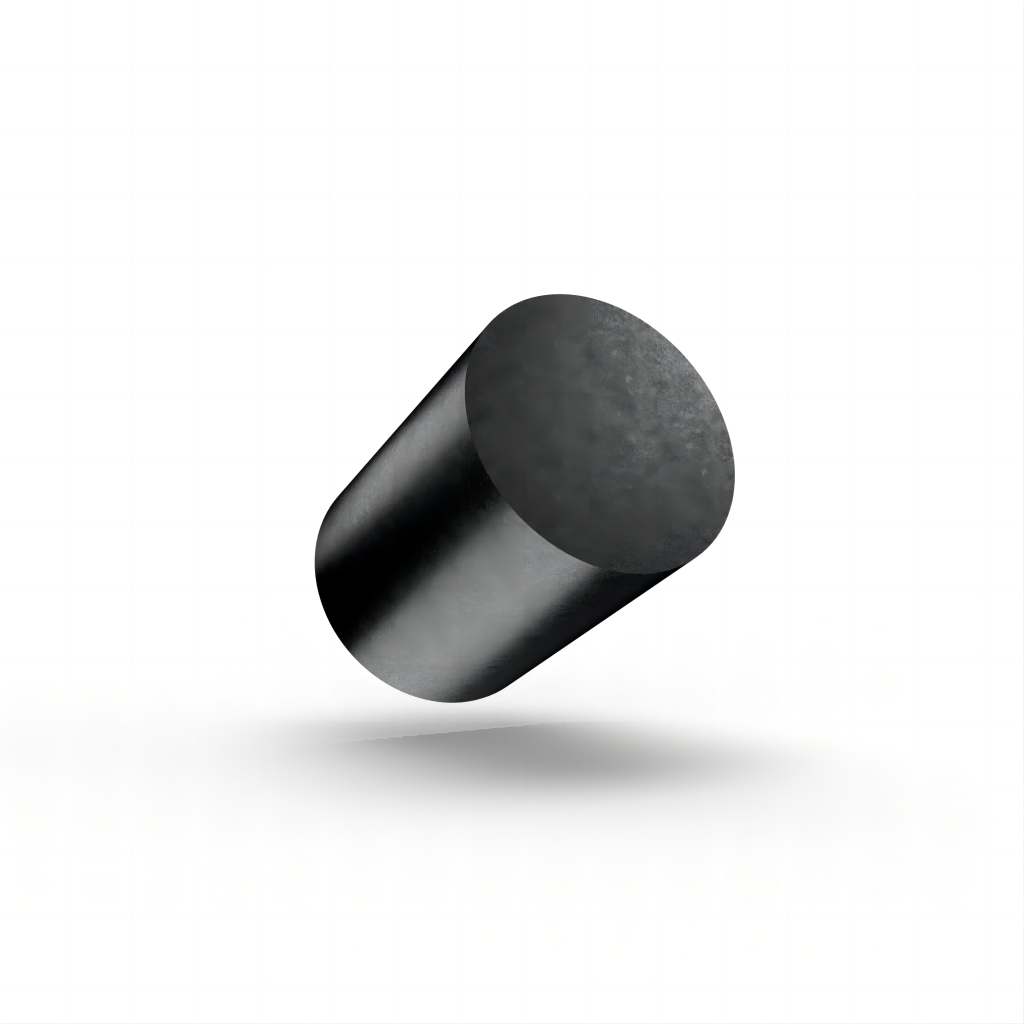
- 1.High Activity: achieves efficient hydrogen production at relatively low temperatures;
- 2.Strong Selectivity: maximizes hydrogen output while minimizing by products.
- 3.Good Stability: maintains stable performance over long-term use with strong durability;
- 4.suitable for hydrogen requirement small or medium capacity as its low investment.
4. Process Flow
Methanol is mixed with desalted water in a certain proportion, pressurized into the heat exchanger by the feed pump, vaporized and reached the required temperature before entering the reactor, where the methanol and steam are convert into H2 and CO2 through both methanol decomposition and CO shift reaction.
Pressure swing adsorption(PSA) section is designed for hydrogen treatment of impurities with the purpose of production high purity (99.9%vol.) hydrogen. The process flow is shown in the figure below.
5. Production Specification
The main target products are hydrogen product with hydrogen purity over 99.9vol% and CO content (CO<10ppmv) and CO2 content (CO2 <10ppmv) meeting specification.
6. Reference
So far, the technology has been used on over 10 commercial units .
Conclusion
A Reliable hydrogen supply is essential for downstream hydroprocessing, particularly as refineries process heavier feedstocks and work to meet tighter product standards. For facilities with small to medium hydrogen demand, methanol cracking offers a practical production route with a relatively modest initial investment.
CHEMPACK’s HyKat MTH-60 Cu/Zn catalyst supports methanol decomposition and the water-gas shift reaction in a single bed, simplifying the process while providing strong activity, selectivity, and operating stability. The resulting gas is purified through pressure swing adsorption (PSA). The process is designed to produce hydrogen at over 99.9 vol% purity, with CO and CO₂ each below 10 ppmv.
With this technology used in more than 10 commercial units, CHEMPACK continues to support customers seeking dependable hydrogen production at the scale their operations require. We believe that combining stable catalyst performance with a straightforward process is key to delivering a reliable hydrogen supply for hydroprocessing applications.